

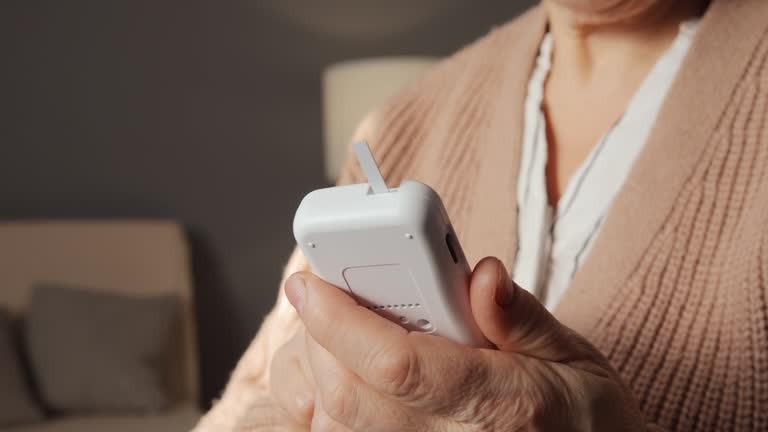
Improving patient response times is a critical factor in enhancing healthcare quality and patient satisfaction. One of the most effective ways to achieve this is by implementing advanced nurse call systems. These systems serve as a vital communication bridge between patients and healthcare providers, ensuring that patient needs are addressed promptly. With the integration of modern nurse call technology, hospitals and healthcare facilities can significantly reduce response times, leading to better patient outcomes and increased safety.
Traditional nurse call systems often rely on basic alert mechanisms that may delay the communication process, especially in busy healthcare environments. However, modern nurse call solutions incorporate features such as real-time messaging, location tracking, and priority-based alerts. These enhancements allow nurses to receive notifications on their mobile devices or smartwatches, enabling them to respond faster and more efficiently to patient requests. As a result, patients experience less waiting time, which can alleviate anxiety and improve their overall hospital experience.
Another key advantage of nurse call systems is their ability to prioritize urgent situations. For example, if a patient presses the call button indicating a medical emergency, the system can automatically escalate the alert to the appropriate medical team with high priority. This prioritization ensures that critical cases receive immediate attention, potentially preventing complications and improving patient safety. Additionally, some nurse call systems integrate with electronic health records (EHR), providing caregivers with instant access to patient information to make informed decisions quickly.
Moreover, improving response times with nurse call systems supports staff workflow optimization. By streamlining communication, nurses can manage their tasks more effectively, reducing unnecessary trips to patient rooms and decreasing response delays. This efficiency not only benefits patients but also reduces nurse burnout by allowing healthcare professionals to focus on high-priority care needs instead of routine check-ins.
Healthcare facilities investing in nurse call technology often see measurable improvements in patient satisfaction scores and accreditation outcomes. The ability to respond swiftly to patient needs reflects a commitment to quality care, fostering trust and confidence in the healthcare system. Additionally, faster response times can reduce the risk of adverse events, such as falls or untreated pain, further emphasizing the importance of effective nurse call solutions.
In conclusion, implementing advanced nurse call systems is a proven strategy for improving patient response times in healthcare settings. By enabling faster communication, prioritizing urgent requests, and optimizing staff workflows, these systems contribute to safer, more efficient, and patient-centered care. Healthcare providers looking to enhance service quality should consider adopting or upgrading their nurse call technology to meet the growing demands of modern patient care.
Tags: nurse call