

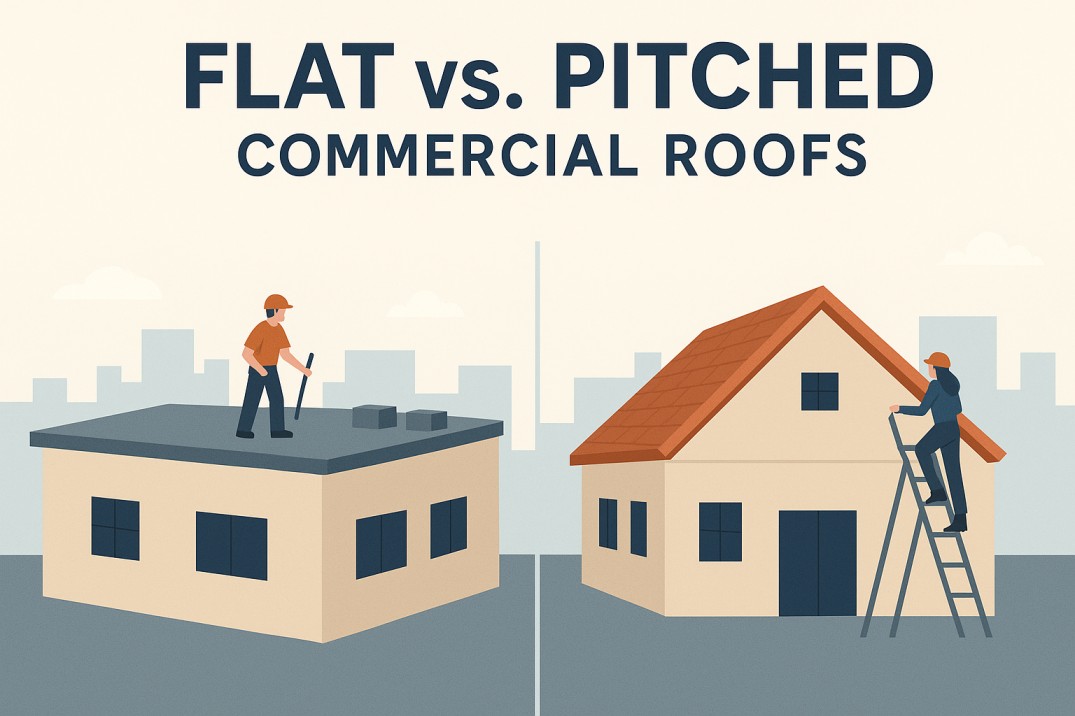
When considering an extension to a home, one of the key decisions revolves around choosing between a flat roof and a pitched roof. Both options come with their unique benefits and drawbacks, influencing not only the aesthetics but also functionality, cost, and maintenance requirements of the extension.
Flat roofs have gained popularity in modern architecture due to their sleek, minimalist appearance. One of the primary advantages of flat roofs is that they are generally more affordable to construct compared to pitched roofs. The simpler design requires fewer materials and less labor-intensive work, which can significantly reduce initial costs. Additionally, flat roofs provide extra usable space on top that can be transformed into a terrace or garden area-an appealing feature for homeowners looking to maximize outdoor living space in urban settings.
Maintenance on flat roofs tends to be easier as well since accessing the surface is straightforward without the need for specialized equipment or safety measures associated with sloped surfaces. However, there are some notable drawbacks. Flat roofs typically have poorer drainage than pitched ones because water does not run off as quickly; this can lead to pooling and potential leaks if not properly installed or maintained. The lifespan of flat roofing materials may also be shorter compared to traditional pitched roofing systems depending on climate conditions.
On the other hand, pitched roofs offer classic architectural appeal with their sloping design that efficiently channels rainwater and snow away from the structure. This effective drainage reduces risks related to water damage and prolongs roof durability over time. Pitched extensions often blend seamlessly with existing homes that already feature similar roofing styles, preserving property value by maintaining aesthetic harmony within neighborhoods.
From an insulation perspective, pitched roofs usually allow better airflow beneath the covering material which can help regulate temperature inside the extension more effectively during both hot summers and cold winters. However, constructing a pitched roof is typically more expensive due to increased complexity in framing and additional materials like tiles or shingles.
One disadvantage worth noting is that pitch height restrictions imposed by local planning regulations might limit design possibilities when opting for this style of extension in certain areas. Furthermore, maintenance tasks such as cleaning gutters or repairing damaged shingles require greater care because working at heights carries inherent risks.
In conclusion, deciding between a flat roof vs pitched roof extension depends largely on budget constraints, desired visual impact, functional needs like outdoor space utilization or weather resilience considerations specific to location climate patterns. Homeowners should weigh these factors carefully alongside professional advice before making their choice-balancing immediate costs against long-term benefits will ensure satisfaction with their new living area for years ahead.