

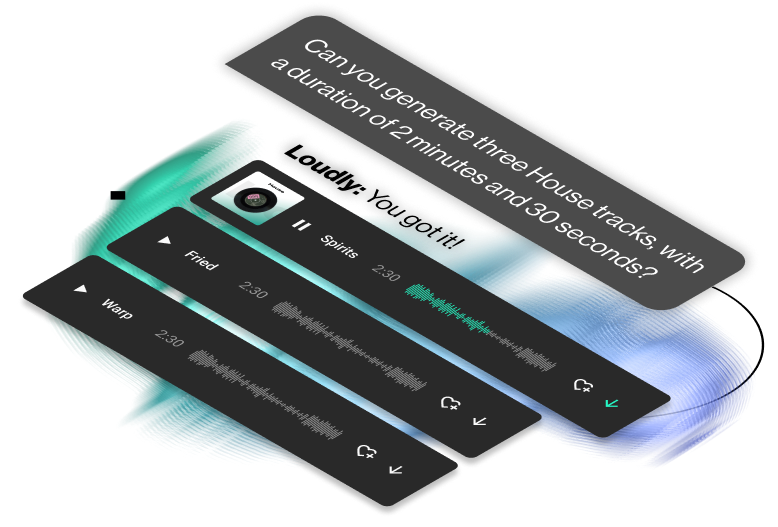
The future of music creation is rapidly evolving, and one of the most exciting advancements lies in the development of AI song generators. These sophisticated tools are transforming how artists, producers, and even hobbyists approach composing music. By leveraging artificial intelligence, creators can now explore new realms of creativity that were previously unimaginable or required extensive technical skills.
AI song generators use complex algorithms and machine learning models trained on vast datasets of existing music to produce original compositions. They analyze patterns in melody, harmony, rhythm, and lyrics to generate songs that can mimic various genres and styles. This technology not only accelerates the songwriting process but also democratizes it by making music creation accessible to individuals without formal training or experience.
One significant impact of AI in music creation is its ability to serve as a collaborative partner for musicians. Instead of replacing human creativity, AI tools augment it by offering suggestions for chord progressions, melodies, or lyrical ideas. Artists can experiment with these inputs to refine their work or break through creative blocks. This synergy between human intuition and machine-generated content fosters innovation and expands artistic possibilities.
Moreover, AI song generator generators have practical applications beyond individual creators. In the commercial realm, they enable rapid production of background scores for advertisements, video games, films, and other multimedia projects where customized soundtracks are needed quickly and cost-effectively. Brands can tailor musical themes that resonate with their identity without relying solely on traditional composers.
However, the rise of AI-generated music also raises important questions about originality and intellectual property rights. As machines learn from existing works to create new ones, distinguishing between inspiration and imitation becomes challenging. The industry will need clear guidelines to address ownership issues while encouraging ethical use of AI technologies.
Despite these concerns, the integration of AI into music creation promises numerous benefits that could redefine the landscape altogether. It encourages experimentation across genres by blending elements in unique ways that humans might overlook due to biases or limitations in knowledge. Additionally, it provides educational opportunities by helping learners understand composition techniques interactively.
Looking ahead, continued advancements in natural language processing and audio synthesis will further enhance AI’s capabilities in songwriting-potentially enabling fully autonomous generation of emotionally rich tracks indistinguishable from human-made pieces. As this technology matures alongside evolving cultural attitudes toward digital art forms,the future holds immense potential for reshaping how we conceive,make,and experiencemusicin an increasingly interconnected world.