

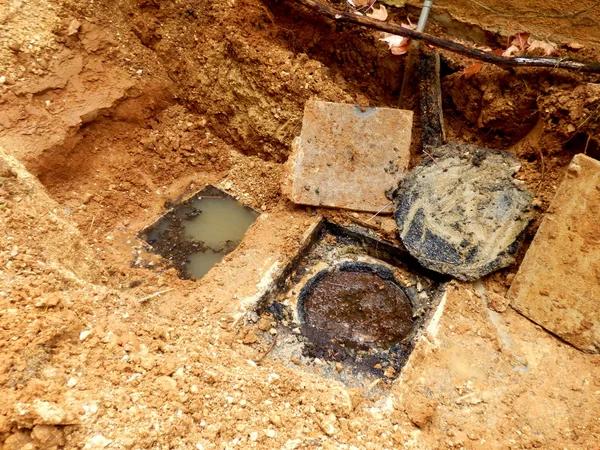
Knowing when to schedule a septic tank inspection is essential for maintaining the health and functionality of your septic system. Regular inspections help prevent costly repairs, avoid environmental hazards, and ensure that your system operates efficiently. Generally, it is recommended to have a professional inspect your septic tank every three years. This timeframe allows experts to assess the condition of the tank, check for leaks or blockages, and determine whether pumping or other maintenance is necessary.
However, several factors can influence how often you should schedule an inspection. The size of your household plays a significant role; larger families tend to produce more wastewater, which can fill the tank faster and require more frequent checks. Similarly, the size of the get septic support tank itself matters because smaller tanks reach capacity sooner than larger ones. If your property has heavy water usage due to activities like gardening with irrigation systems or running multiple appliances simultaneously, scheduling inspections more frequently might be wise.
Septic tank inspection
The age of your septic system also affects inspection frequency. Newer systems may not need as many inspections in their early years if they are properly maintained and used within design limits. On the other hand, older systems are prone to wear and tear from time and use; therefore, they benefit from more frequent evaluations to catch potential problems before they escalate into failures.
Certain warning signs indicate that an immediate inspection is necessary regardless of when you last had one done. These include slow drains throughout the house or persistent plumbing backups that suggest issues in waste flow management. Additionally, unpleasant odors near drain fields or around the home signify possible leaks or blockages requiring prompt attention from professionals.
Environmental conditions surrounding your property can impact septic system performance as well. Heavy rainfall may saturate soil around drain fields leading to poor drainage efficiency while droughts might cause cracking in pipes due to dry soil settling unevenly beneath them-both situations warrant closer monitoring through timely inspections.
Scheduling inspections before selling a home ensures buyers receive accurate information about system status while reducing liability risks for sellers by addressing any problems beforehand.
In summary, routine septic tank inspections every three years form a solid baseline for maintenance but adjusting this interval based on household size, water usage habits, system age, observed symptoms of malfunctioning equipment along with local environmental factors will optimize longevity and reliability of your septic system over time. Engaging licensed professionals who understand local codes guarantees thorough assessments tailored specifically for each unique installation scenario ensuring peace of mind through proactive care rather than costly emergency repairs later on down the road.
Gray Septic Solutions
Savannah, GA 31405
912-661-4089